Fintech Deal: BRAC Bank Picks Finastra for Trade Finance
Finastra says BRAC Bank, a leading Bangladeshi private lender, has a new trade finance platform for corporate clients. What was announced and what to watch next.
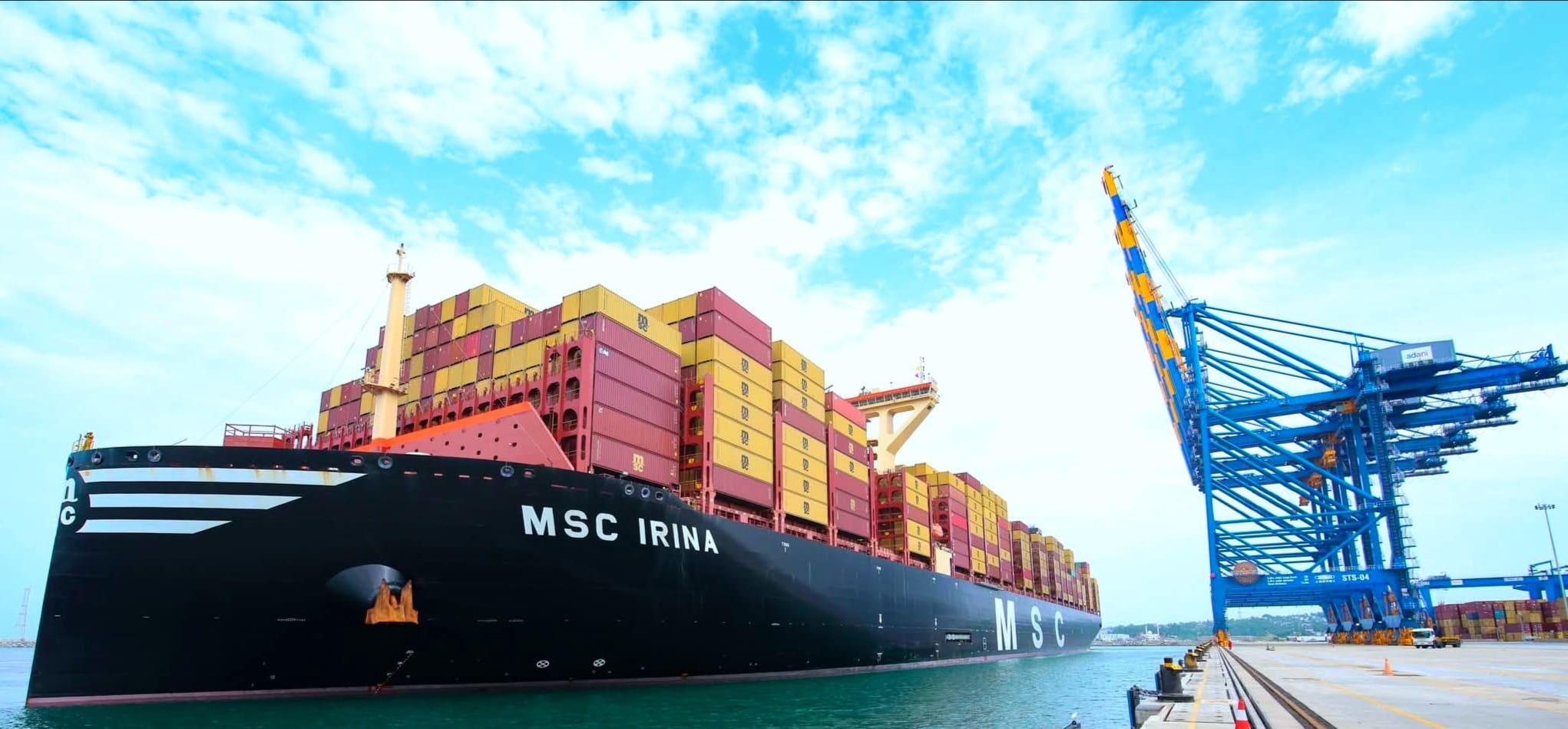
SINGAPORE — Finastra, a software provider to the financial services industry, said on Wednesday that BRAC Bank, one of Bangladesh’s leading private commercial banks, has put a new platform in place to run its trade finance operations, in a fintech deal aimed at giving corporate customers a more connected and efficient experience.
The announcement, distributed through PR Newswire and dated Oct. 21, 2026, is short on public detail. It does not, in the portion available, break out contract terms, go-live dates or the specific modules involved. What it does establish is the direction of travel: a mid-sized Asian lender is modernizing the back-office and customer-facing machinery behind letters of credit, guarantees and related corporate banking services.
Key takeaways
- Finastra announced from Singapore that BRAC Bank has adopted a new trade finance platform.
- The company says the system is meant to deliver a more connected, more efficient experience for corporate clients.
- Finastra describes itself as a global leader in financial services software; it describes BRAC Bank as one of Bangladesh’s leading private commercial banks.
- Financial terms were not disclosed in the announcement.
- Separately, JPMorgan filed an 8-K with the SEC on Oct. 20 covering “Other Events” and exhibits.
What was announced
The central claim is about the client experience. According to Finastra, the new platform lets BRAC Bank offer corporate customers a trade finance service that is more connected and efficient than before. Trade finance covers the instruments that let importers and exporters transact with banks standing behind payment, and it has long been a paperwork-heavy corner of corporate banking.
For a bank, the pitch for a platform of this kind is generally about consolidating steps that once sat in separate systems or manual processes. Neither BRAC Bank nor Finastra has been quoted here with performance figures, so any gains in processing time or cost remain claims to be tested rather than results.
A fintech vendor win in South Asia
Vendor announcements like this one matter less for their size than for what they signal about technology budgets. Banks that serve corporate clients face pressure to match the digital standards those clients expect elsewhere in their finance operations. A public tie-up between a software provider and a leading Bangladeshi lender suggests that trade finance remains an area where banks in the region are willing to invest.
For Finastra, naming a well-known domestic bank in a growing market adds to its reference list in Asia. For BRAC Bank, the benefit will depend on execution: how quickly corporate customers are moved onto the platform and whether the promised connectivity materializes in day-to-day use.
Who is affected
The most direct audience is BRAC Bank’s corporate clients, particularly businesses that rely on trade instruments to import or export goods. Their experience is the stated target of the project. Bank staff handling trade operations are also affected, since a new platform typically changes workflows. Competing lenders and rival software vendors will read the announcement as a data point on where corporate banking technology is heading.
On the filings desk: JPMorgan’s 8-K
Readers following large-bank disclosures will also note a new filing from JPMorgan. The bank submitted a current report on Form 8-K to the Securities and Exchange Commission on Oct. 20, 2026, at 4:15 p.m. Eastern. The filing, about 277 KB in size, lists Item 8.01, Other Events, and Item 9.01, Financial Statements and Exhibits. The index page does not by itself explain the subject of the report; the underlying exhibits will show what the bank chose to disclose. The filing is unrelated to the BRAC Bank announcement, but it is a reminder of how routinely large banks use “Other Events” items to put information on the public record, often alongside exhibits such as documents tied to securities offerings.
What to watch
Three things will show whether the BRAC Bank project delivers. First, whether the bank or Finastra provides a timeline and metrics, such as the share of trade transactions handled on the new platform. Second, whether further Asian banks announce similar trade finance upgrades. Third, in the JPMorgan case, whether the exhibits attached to the Oct. 20 filing prompt follow-up coverage once analysts and reporters have read them. Tombo Journal will track both as details emerge.
Prepared with AI assistance from public sources and reviewed under our editorial policy. Not investment advice.